Latest from REDAGE
2 min read
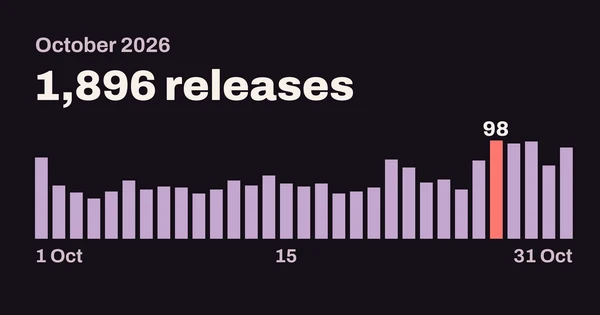
1,896 Stake Engine releases in October 2026
REDAGE counted 1,896 October releases from 932 studios. See the busiest days, the studios behind them and how October compared with September.
Read the storyREDAGE devlog
New releases, characters and the mechanics behind our games. Notes from the worlds we're building.
Paste this address into your feed reader: https://redage.dev/devlog/feed.xml
Latest from REDAGE
2 min read
REDAGE counted 1,896 October releases from 932 studios. See the busiest days, the studios behind them and how October compared with September.
Read the story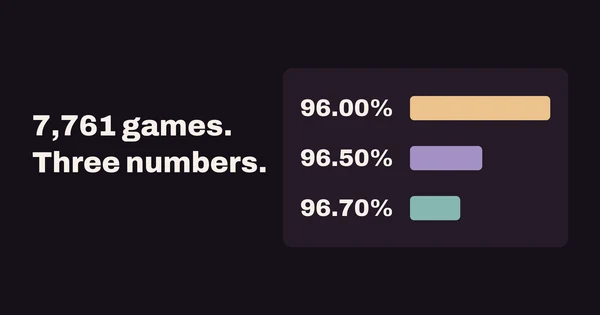
4 min read
How every Stake Engine game's RTP, max win and volatility are set, how unevenly play is shared between games, and which settings players pick most.
3 min read
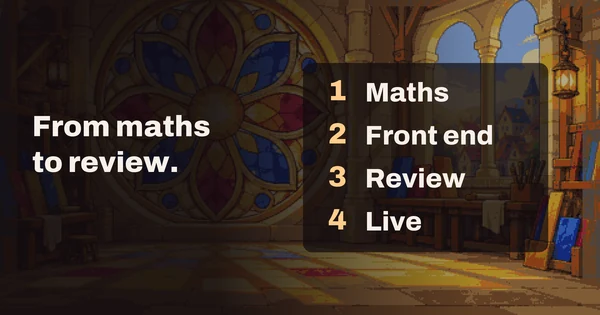
From the maths files to the review: what Stake Engine asks of a new slot, how the quality rating works, and what we learned shipping fifteen games.
4 min read
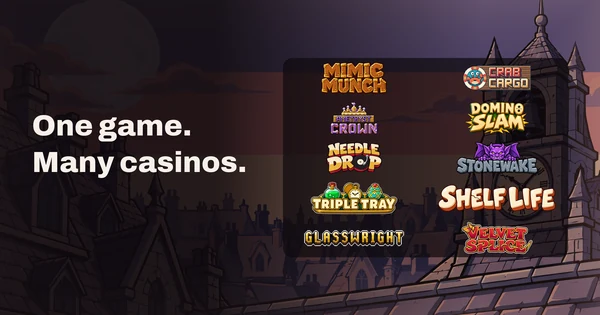
What the Engine Network is, how a game gets on it, what each casino decides, how it pays, and what we prepared when ten of our slots joined it.
3 min read
What a wild symbol does in a cluster slot, six different wilds from our games, and why two of our games have no wild at all.

3 min read
How Needle Drop's needle turns every record of one colour into another, why a turned colour stays gone in the free spins, and how the platter speeds up to ×5.
3 min read
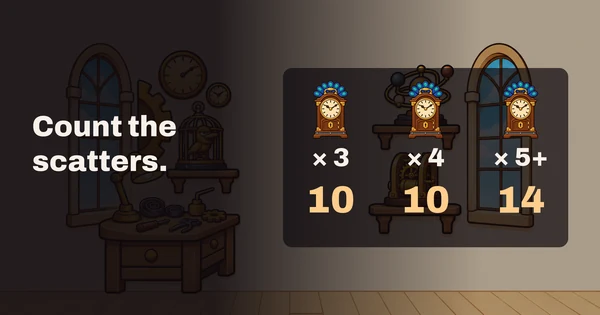
How scatters start free spins, why 3, 4 or 5 of them open different features, what a retrigger adds, and what each feature keeps from spin to spin.
3 min read
How Clockwork Peacock's gears mesh into trains behind the symbols, why a win touching them pays times their sum, and how the clock strikes at the end.
3 min read
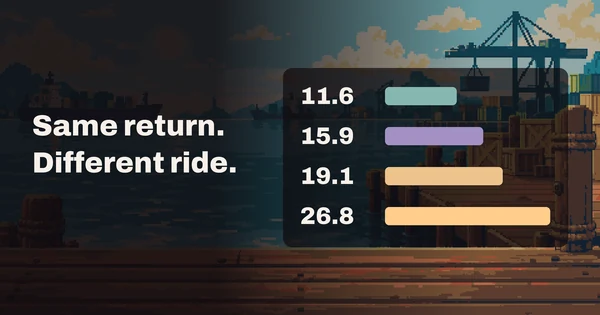
What slot volatility means, the standard deviation behind the label, and the measured figures for our live Stake games from Engine Insights.
4 min read
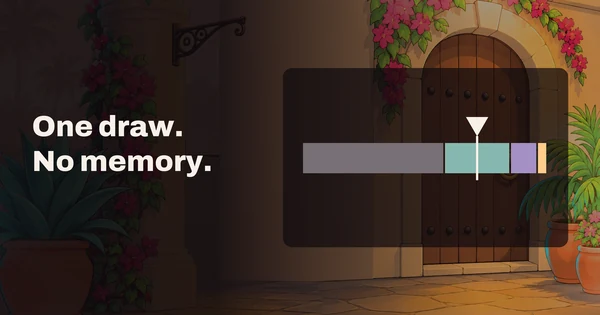
How Stake Engine slots pick a round, why spins are independent, and how to read the RTP, volatility and max win for the mode you play.
4 min read
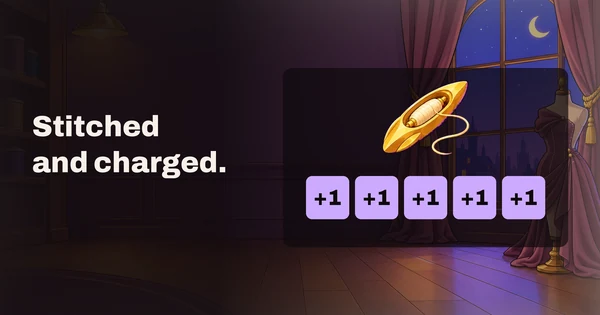
How Velvet Splice's golden shuttle stitches a thread of cells, charges each one, and how a group pays its value times 1 plus the charges under it.
4 min read
How Triple Tray works: a face-down pile, a seven-slot tray, triples that pay a multiplier starting at ×3, and the key-opened bonus piles.
4 min read
How each gargoyle kind in Stonewake climbs a rank ladder from ×1 to ×100 as it wins, and how the free spins keep every rank from spin to spin.
4 min read
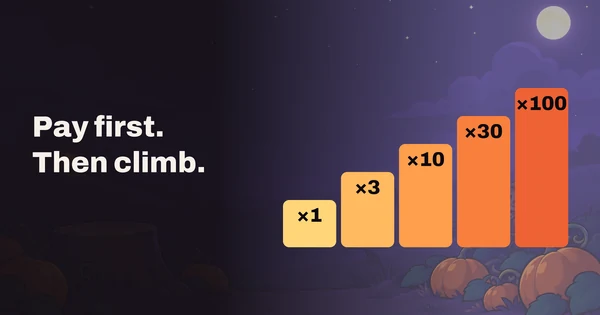
How Jack's flame in Stompkin HD climbs from ×1 to ×100, one stomp at a time, why it goes out after a base spin and what Hallow Night keeps.
3 min read
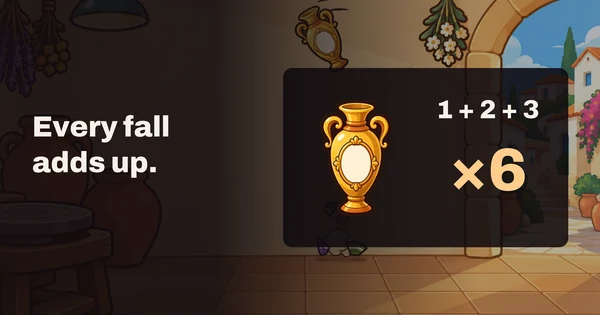
How Shelf Life's Mess works: Wobblers tip over, smash the pieces below, and each fall raises one multiplier on every win of the spin, up to ×100.

4 min read
How Rust Rook's scrap magnets multiply the groups they touch, double after each tumble they pull in, up to ×128, and stay on the rack in the night features.
3 min read
How Mimic Munch's treasure-chest mimic hops across a 7×7 board, eats symbols, leaves drool up to ×128 and spits out its hoard.
4 min read
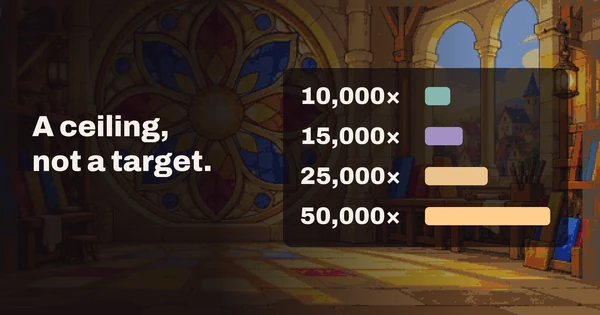
What a slot's max win cap counts, what happens when a round reaches it, and what our live games' 10,000× to 50,000× ceilings do and do not change.
4 min read
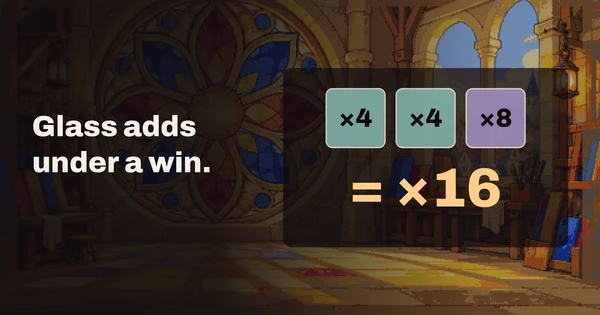
How Glasswright's glass panes work: every win sets glass on its cells, panes climb from ×2 to ×128, add together under a group and spill light from ×64.
4 min read
How standing dominoes in Domino Slam topple into wild tiles worth their pips, chain into one another, and stay on the table through free spins.

4 min read
In Crab Cargo each collection raises the next: a load chain from ×1 to ×10 in the base game, and cargo decks up to ×256 in Cargo Rush free spins.

4 min read
How Amethyst Crown's kiln heat turns Amethysts into wilds and how Citrines fill the ten sockets of a crown whose multiplier is 1 plus the sockets set.

3 min read
Shelf Life is live on Stake. A poltergeist, gilded Wobblers and a Mess multiplier up to ×100 on a 6×5 pottery shelf: how the falls and free spins work.
3 min read
Explore Glasswright's 7×7 workshop, cell multipliers, Overflow and free-spin features. Pip's stained-glass game is now live on Stake.

2 min read
Meet the moth couturier in Velvet Splice, now on Stake. A look at Golden Shuttles, charged cells and the threads that stay through free spins.
5 min read
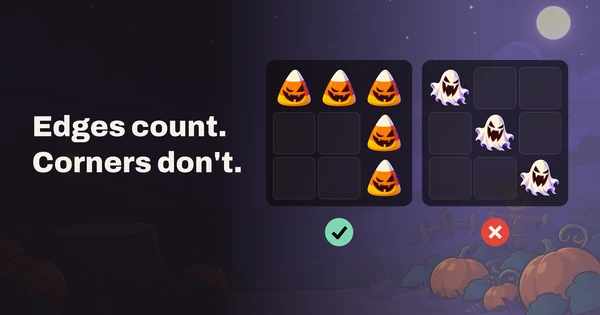
See which symbols form a winning cluster, calculate two Stompkin HD cascades and follow a recorded Needle Drop spin from a colour change to its 4.29× payout.

5 min read
Compare Neon Eclipse's ward sums, Stompkin HD's flame and Velvet Splice's thread charges with worked payout and reset examples.
5 min read
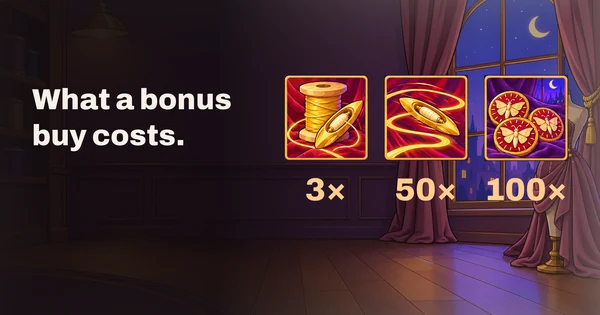
Compare a boosted base spin, a special spin and a free-spins purchase using Stompkin HD and Velvet Splice's actual mode rules.
1 min read
Why the R of REDAGE became the first letter of the word, how we fixed the spacing, and the 1.84-second animation our new games open with.
4 min read
How scrap magnets multiplied a spin in Rust Rook's first design, why Night Shift kept their values, and how we balanced a hoard that lasted the whole feature.

3 min read
How Neon Eclipse's cell multipliers grow to ×128, persist through Total Eclipse, and fit a 96.50% RTP and a 10,000× round cap.

6 min read
Compare hit rate, the chance to get your stake back and RTP across ten REDAGE slots. See how the figures are calculated from weighted rounds.

3 min read
We explain what counts as a snack, how Mogu reaches ×10, why Rampage uses a cumulative meter, and where its two buy modes begin.
4 min read
Stompkin's jack-o'-lantern is drawn by a Python program, pixel by pixel: five lobes, a face lit from inside, 26 poses and four flame stages.

4 min read
We build browser sound from oscillators, notes and envelopes, then connect it to game events and measure the mix. No audio files to download.